 Saints Light
Coming Home: What If I Have Been Away for Years?
If you have been away, the way back starts with Confession and Sunday Mass, and any marriage questions are best brought to a priest, who can explain convalidation or annulment for your situation.
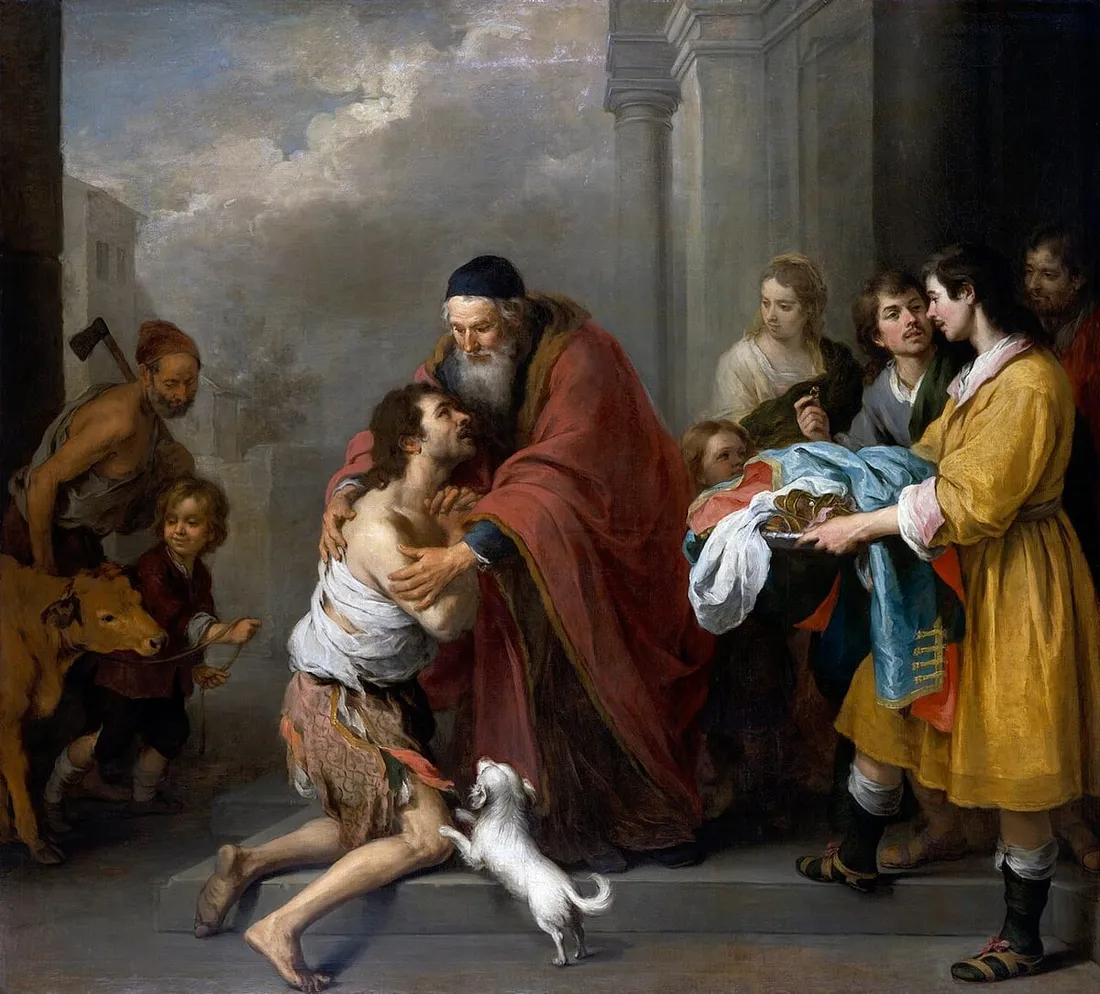
Maybe you were baptized Catholic, made your First Communion, and then life happened. Years went by. Now something is drawing you back, and you are not sure you are allowed. You are. Jesus told the story of the prodigal son for exactly this moment: the father sees his son "a great way off" and runs to him (CCC 1439).
Start with Confession. This is the door home. The sacrament exists above all for baptized people who have fallen away or into serious sin (CCC 1446). Tell the priest, "It has been many years since my last confession." He has heard it before, and he will be glad. You do not need a perfect list. Confess what you remember honestly, and he will help with the rest. Some parishes have special evenings for returning Catholics; ask.
Then come to Mass. No one is turned away from Mass, whatever their situation. If you are aware of serious sin, the Church asks you to go to Confession before receiving Communion (CCC 1415), but you are welcome to attend, pray, and come forward with arms crossed for a blessing if your parish does that.
Marriage questions. This is often the hardest part, so here it is plainly and gently. Catholics are normally required to marry in the presence of a priest or deacon, or with the bishop's permission to marry elsewhere. If you married outside the Church without that permission, the Church usually does not yet recognize the marriage, but it can often be blessed and made sacramental through a simple process called convalidation, if both of you are free to marry.
If you are divorced and have not remarried, you may receive Communion like anyone else. If you are divorced and remarried without a declaration of nullity, the Church asks you not to receive Communion for now (CCC 1650). Yet you are not cut off: you are still part of the Church, encouraged to attend Mass, pray, and raise your children in the faith (CCC 1651).
A declaration of nullity (often called an annulment) is not a Catholic divorce. After careful examination, a Church tribunal may find that a true marriage bond never existed from the start (CCC 1629). It does not make children illegitimate. The process was simplified in 2015, and many dioceses charge little or nothing.
Every situation is different. Please do not decide alone that the door is closed. Make an appointment with a priest and tell him your story.
Key points
- Confession is the door home, and priests are glad to help those returning after years away.
- No one is turned away from Mass; those aware of serious sin go to Confession before receiving Communion.
- A marriage outside the Church can often be convalidated if both spouses are free to marry.
- An annulment is a finding that a true marriage never existed, not a divorce; talk to a priest about your situation.
The Word of God
And rising up he came to his father. And when he was yet a great way off, his father saw him, and was moved with compassion, and running to him fell upon his neck, and kissed him.
Because this my son was dead, and is come to life again: was lost, and is found. And they began to be merry.
Come to me, all you that labour, and are burdened, and I will refresh you.
Catechism paragraphs for this lesson
- CCC 1439
- CCC 1446
- CCC 1415
- CCC 1629
- CCC 1650-1651
CCC means the Catechism of the Catholic Church. Saints Light teaches it in its own words and never quotes it. Look up any paragraph in a printed copy or at vatican.va. See every lesson by paragraph in the Catechism index.
Live it this week
Call or email your parish this week and ask for a time to talk with a priest, or simply go to the next scheduled Confession and say how long it has been.
Check yourself: three questions
1. Tom married outside the Church years ago without permission. Both he and his wife were free to marry. What is a likely next step?
- Talk with a priest about convalidating the marriage
- Divorce and remarry in a Catholic church
- Nothing can be done; he must stop attending Mass
- Apply for an annulment of his current marriage
Show the answer
Talk with a priest about convalidating the marriage. When both spouses are free to marry, the Church can often recognize and bless the union through convalidation.
2. What is a declaration of nullity?
- A Catholic form of divorce that ends a valid marriage
- A finding that a true marriage bond never existed from the start
- A penalty that removes someone from the Church
- A ruling that the children of the marriage are illegitimate
Show the answer
A finding that a true marriage bond never existed from the start. After examining the case, a tribunal may declare that the marriage was never valid (CCC 1629). It does not dissolve a real marriage.
3. Which statement about divorced and remarried Catholics without an annulment is accurate?
- They are excommunicated and may not attend Mass
- They may receive Communion as long as they feel at peace
- They must leave their parish and join another
- They remain part of the Church and are encouraged to attend Mass, though asked not to receive Communion for now
Show the answer
They remain part of the Church and are encouraged to attend Mass, though asked not to receive Communion for now. The Church asks them not to receive Communion while the situation lasts, but they are not cut off and are urged to stay involved (CCC 1650-1651).
Words to know
- Convalidation
- The process by which a marriage not yet recognized by the Church becomes a valid, sacramental marriage.
- Declaration of nullity
- A Church tribunal's finding that a valid marriage never existed; often called an annulment.
More terms in the Catholic glossary. More passages in the Scripture index.
For catechists: a one hour class plan
Goal. The group should understand that the way home after time away begins with Confession and Sunday Mass, and that marriage questions are best brought to a priest, and should feel warmly welcome back.
Opener. Read aloud the parable of the prodigal son, Luke 15:11-24, or tell it in your own words. Then ask: "Where in this story do you see yourself today?" Let people answer if they wish; no one has to.
Discussion questions
- What keeps people from coming back to the Church after years away? [Shame, hurt, a bad experience, a marriage situation. Listen with charity; do not argue anyone out of their feelings.]
- The father runs to the son before he finishes his speech. What does that tell us about God? [God is eager to forgive. Make clear that no one is turned away from Mass.]
- Why does the Church ask those aware of serious sin to go to Confession before receiving Communion? [Out of respect for the Eucharist and for the person's own good, not to shut anyone out. Pair this with the reassurance that Confession is the door home.]
- What do you understand about convalidation and annulment? [Give the basics from the lesson: convalidation when both are free to marry; an annulment is a finding that a true marriage never existed, not a divorce. Do not judge or advise on anyone's situation in the group; point every case to a private talk with the priest.]
Activity. Give each person a card and 5 minutes of silence to write one honest sentence to God about their time away, or for longtime Catholics, about a person they love who is away. Then hand out a small sheet with the parish's Confession times, the priest's contact details and the office phone number, and invite everyone to set a date to call or go before next week.
Closing prayer. Father of mercy, You see us while we are still far off, and You run to meet us. Thank You for never giving up on us. Heal every hurt that has kept us away, give us courage to take the next step, and welcome home everyone we love who is far from You. Amen.
Timing. Opening prayer 5 min, parable and opener 8 min, read the lesson together 12 min, discussion 20 min, activity 10 min, closing 5 min.
Related lessons
- What Makes a Marriage a Sacrament? (The Sacraments)
- the forgiveness of sins (The Creed, free)
- After the Water: How Do I Live My Baptism Every Day? (Baptism, free)
- Before Mass: What Should I Do (and Not Do)? (The Mass)
Keep your place in the app
Becoming Catholic: Your OCIA Companion is free in the Saints Light app too, where you can mark each lesson done, take it as a guided class and keep notes.
Every course is open free for your first 14 days. After that, one payment of $14.99 unlocks every course. There is no subscription.