 Saints Light
the forgiveness of sins
God forgives every sin through His Church: first in Baptism, and after that in the sacrament of Confession. No sin is too big for His mercy if we are truly sorry.
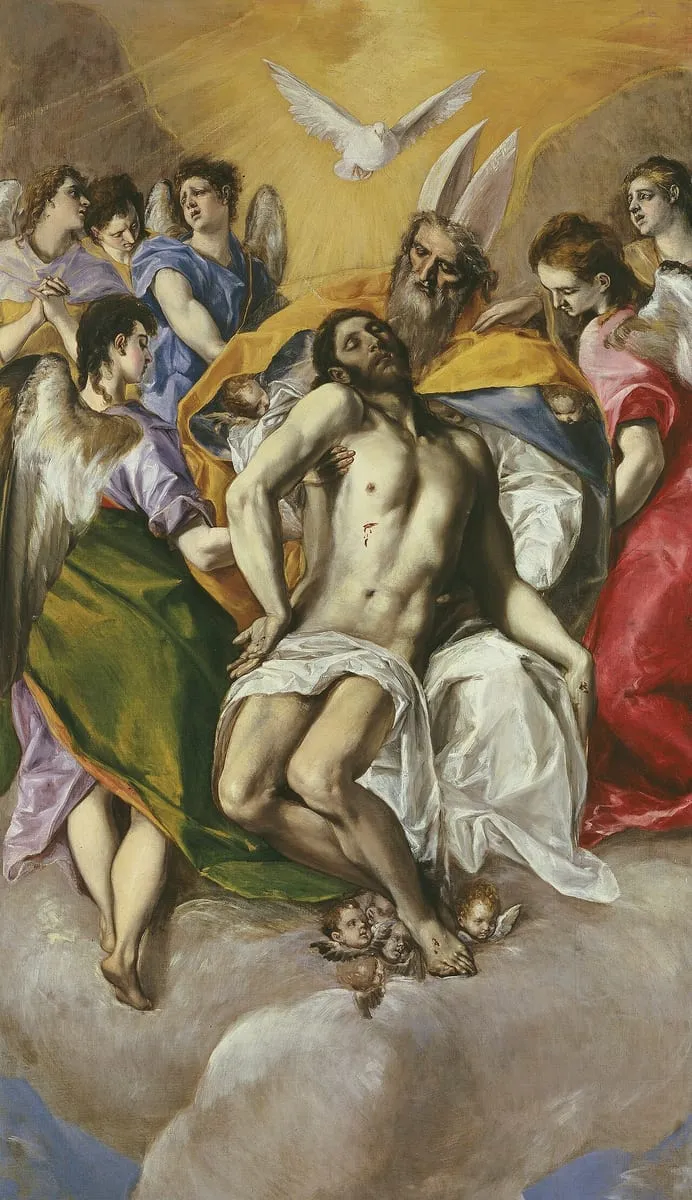
It is no accident that the forgiveness of sins comes right after the Holy Spirit, the Church and the communion of saints. Christ gives forgiveness through the Holy Spirit, and He gives it in and through His Church (CCC 976). Forgiveness is not only a private matter between you and God; it heals your bond with His whole family too (CCC 1440).
The first and chief sacrament of forgiveness is Baptism. Jesus tied forgiveness to faith and Baptism, and St Peter told the crowd at Pentecost: Do penance, and be baptized every one of you for the remission of your sins (CCC 977). Baptism washes away original sin and every personal sin, with all punishment due to them (CCC 978).
But what about sins after Baptism? Grace does not remove our weakness, and we still fall. So Christ gave His Church a second door: the sacrament of Penance, also called Confession or Reconciliation (CCC 979-980). On Easter evening, the risen Jesus breathed on the apostles and said: Receive ye the Holy Ghost. Whose sins you shall forgive, they are forgiven them.
Why tell my sins to a priest? Only God forgives sins. But Jesus, who has that authority as the Son of God, chose to share its exercise with men, and gave it to His apostles and their successors (CCC 1441-1442). The priest acts in Christ's name. Hearing the words of absolution out loud gives a certainty that thinking privately cannot. And a priest may never reveal anything he hears in Confession.
There is no sin so great that the Church cannot forgive it, provided the sinner is truly sorry (CCC 982). Some people stay away for years because they think their sins are too big or too old. They are wrong. Jesus said there is more joy in heaven over one sinner who repents than over ninety nine who need no repentance.
A good confession has a simple shape. Examine your conscience. Be sorry, with a firm purpose to avoid the sin. Confess your sins honestly, mortal sins by kind and number as best you can. Receive absolution. Do the penance the priest gives you. The Church asks every Catholic to confess serious sins at least once a year, but frequent confession is a great help in growing in holiness.
Key points
- Christ forgives sins through the Holy Spirit, within His Church.
- Baptism is the first sacrament of forgiveness and wipes away all sin.
- For sins after Baptism, Christ gave the sacrament of Penance through the apostles and their successors.
- No sin is too great to be forgiven for someone who is truly sorry.
The Word of God
When he had said this, he breathed on them; and he said to them: Receive ye the Holy Ghost. Whose sins you shall forgive, they are forgiven them; and whose sins you shall retain, they are retained.
But Peter said to them: Do penance, and be baptized every one of you in the name of Jesus Christ, for the remission of your sins: and you shall receive the gift of the Holy Ghost.
I say to you, that even so there shall be joy in heaven upon one sinner that doth penance, more than upon ninety-nine just who need not penance.
Catechism paragraphs for this lesson
- CCC 976-980
- CCC 981-983
- CCC 1440-1442
- CCC 1446
CCC means the Catechism of the Catholic Church. Saints Light teaches it in its own words and never quotes it. Look up any paragraph in a printed copy or at vatican.va. See every lesson by paragraph in the Catechism index.
From the tradition
Q. What is the Sacrament of Penance? A. Penance is a Sacrament in which the sins committed after Baptism are forgiven.
Q. What is contrition, or sorrow for sin? A. Contrition, or sorrow for sin, is a hatred of sin and a true grief of the soul for having offended God, with a firm purpose of sinning no more.
Live it this week
Look up your parish's Confession times this week. If you are Catholic, go, even if it has been years; you can simply tell the priest how long it has been and ask for help. If you are not yet Catholic, ask God's forgiveness tonight in your own words, and ask a priest about the next step.
Check yourself: three questions
1. What is the first and chief sacrament for the forgiveness of sins?
- Confirmation
- Baptism
- Anointing of the Sick
- Holy Orders
Show the answer
Baptism. Our Lord tied forgiveness to faith and Baptism, the first and chief sacrament of forgiveness (CCC 977-978).
2. Why do Catholics confess to a priest?
- Because priests forgive sins by their own power
- Because the Church invented the practice in the Middle Ages
- Because Jesus gave His apostles and their successors authority to forgive in His name
- Because God cannot hear private prayers
Show the answer
Because Jesus gave His apostles and their successors authority to forgive in His name. Only God forgives, but Christ entrusted the exercise of this power to the apostles and their successors (CCC 1441-1442; John 20:23).
3. Is there any sin the Church cannot forgive for someone truly sorry?
- Yes, any sin committed more than once
- Yes, sins committed before age eighteen
- Yes, any sin not confessed within a year
- No, there is no offense, however serious, that cannot be forgiven
Show the answer
No, there is no offense, however serious, that cannot be forgiven. There is no offense, however serious, that the Church cannot forgive (CCC 982).
Words to know
- Absolution
- The words of forgiveness a priest speaks in the sacrament of Penance, in Christ's name.
- Contrition
- True sorrow for sin with a firm purpose not to sin again.
More terms in the Catholic glossary. More passages in the Scripture index.
For catechists: a one hour class plan
Goal. The group should understand that God forgives sins through His Church, first in Baptism and then in Confession, and take to heart that no sin is too great for His mercy.
Opener. Ask: "Is it harder to forgive someone else, or to accept forgiveness yourself? Why?" Let a few people share. Many will say accepting it is harder.
Discussion questions
- Why does Christ forgive sins through the Church rather than only privately? [He gave the apostles this power (John 20:22-23). Welcome objections from other Christian backgrounds kindly.]
- What does Baptism do about sin, and why is Confession needed after it? [Baptism wipes away all sin; Penance is for sins after Baptism. Make sure unbaptized members hear the good news of their coming Baptism.]
- The lesson says no sin is too great for someone truly sorry. Who might need to hear that? [People carrying old guilt, including abortion or other grave sins. Do not ask anyone to disclose; point gently to the priest.]
- Luke 15:7 speaks of joy in heaven over one sinner who repents. How does that change your picture of Confession? [It is a homecoming, not a trial.]
Activity. Read Luke 15:1-10 aloud (the lost sheep and the lost coin). Then hand out a simple examination of conscience and give 8 minutes of quiet for each person to read it privately and write down anything they want to bring to God; assure them no one will see it. End by announcing the parish Confession times and any upcoming penance service.
Closing prayer. Merciful Father, You rejoice over every one of us who comes home. We are sorry for our sins, and we trust in Your mercy, which is greater than any sin. Give us the courage to receive Your forgiveness, and the grace to forgive others. Amen.
Timing. Opening prayer 5 min, opener 5 min, read the lesson together 15 min, discussion 18 min, activity 12 min, closing 5 min.
Related lessons
- How Do I Go to Confession? (The Sacraments)
- Why Confess to a Priest? (Hard Questions)
- Coming Home: What If I Have Been Away for Years? (Becoming Catholic, free)
- After the Water: How Do I Live My Baptism Every Day? (Baptism, free)
Keep your place in the app
The Apostles' Creed, Line by Line is free in the Saints Light app too, where you can mark each lesson done, take it as a guided class and keep notes.
Every course is open free for your first 14 days. After that, one payment of $14.99 unlocks every course. There is no subscription.