 Saints Light
Baptism for Adults: The Easter Vigil, Already Baptized Christians and Conditional Baptism
Unbaptized adults receive Baptism, Confirmation and First Communion together, usually at Easter. Christians already validly baptized are never baptized again, and a conditional Baptism is given only when there is serious doubt.
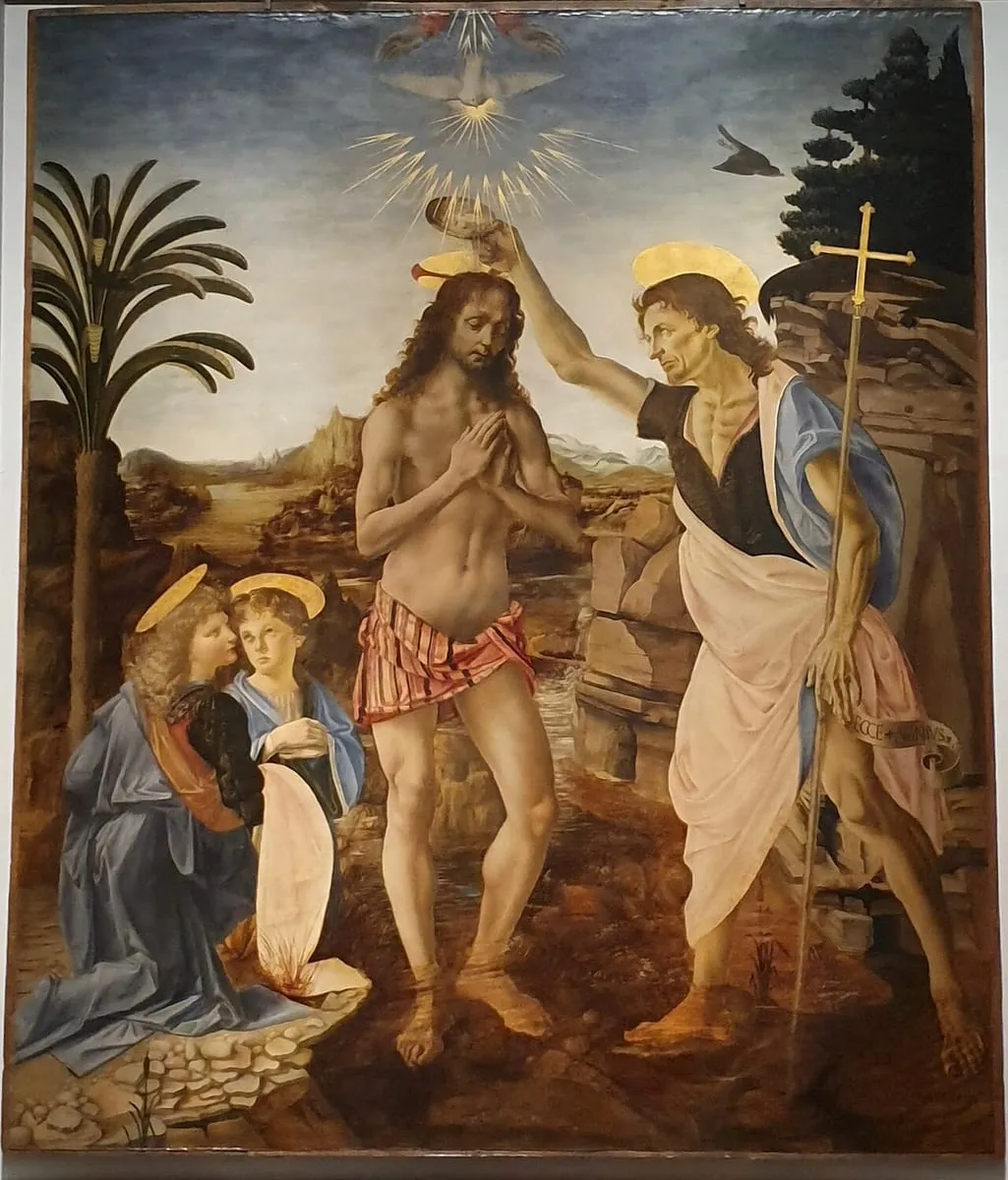
Most Catholics today were baptized as babies, but the Church's oldest pattern is the Baptism of adults. When an unbaptized adult joins the Church, he or she prepares through OCIA and then receives all three sacraments of initiation in one celebration, usually at the Easter Vigil: Baptism, Confirmation and First Holy Communion (CCC 1233).
Why all three at once? Because they belong together. Baptism gives new life, Confirmation strengthens it with the gift of the Spirit, and the Eucharist feeds it (CCC 1212, 1275). Church law says an adult who is baptized is to be confirmed right away and receive Communion in the same celebration, unless a grave reason prevents it (canon 866). The priest who baptizes an adult has the faculty to confirm by law, so there is no wait for the bishop (canon 883). Children past the age of reason, about seven, are treated as adults here and receive all three together too.
Already baptized? You will not be baptized again. There is one Baptism, and it leaves an indelible mark, so it cannot be repeated (canon 845 §1; CCC 1272). If you were baptized in another Christian church with water and the words naming the Father, and the Son, and the Holy Spirit, the Catholic Church recognizes your Baptism as real (CCC 1271). You are received into full communion with a profession of faith, Confirmation and the Eucharist. Your Baptism is honored, not replaced.
What makes a baptism valid? Three things: true water that flows on the person, by pouring or immersion; the words naming the Father, the Son and the Holy Spirit, spoken by the one who baptizes; and the intention to do what the Church does (canon 849; CCC 1256). Groups that reject the Trinity, such as the Latter-day Saints, do not baptize validly in the Church's judgment, so their members are baptized when they become Catholic.
Conditional baptism. Sometimes no one can be sure. There may be no record and no witness, or the water may not have touched the skin, or a minister changed the words. In 2020 the Holy See confirmed that a baptism given with the words We baptize you, in place of I baptize you, is not valid, and some people baptized that way have had to receive the sacrament. When a prudent doubt remains after a careful investigation, the Church baptizes conditionally: the priest says, in effect, if you are not yet baptized, I baptize you (canon 845 §2; canon 869 §1). If the first Baptism was real, nothing is repeated. If it was not, now it is done.
Conditional baptism is never routine, and it is not a slight on another church. Baptisms from other Christian communities are not to be repeated just in case: there must be a serious reason to doubt the water, the words or the intention (canon 869 §2). The priest first explains the reason for the doubt (canon 869 §3). If you have questions about your own baptism, bring your records to your parish and let them look into it.
Key points
- Unbaptized adults, and children past the age of reason, receive Baptism, Confirmation and the Eucharist together, usually at the Easter Vigil.
- A valid Baptism from another Christian church is never repeated; such Christians are received into full communion.
- A valid Baptism needs true water, the Trinitarian words said by the one baptizing, and the intention to do what the Church does.
- Conditional baptism is used only when a serious, prudent doubt remains after investigation, and it repeats nothing.
The Word of God
And as they went on their way, they came to a certain water; and the eunuch said: See, here is water: what doth hinder me from being baptized? And Philip said: If thou believest with all thy heart, thou mayest. And he answering, said: I believe that Jesus Christ is the Son of God. And he commanded the chariot to stand still; and they went down into the water, both Philip and the eunuch: and he baptized him.
And I will pour upon you clean water, and you shall be cleansed from all your filthiness, and I will cleanse you from all your idols. And I will give you a new heart, and put a new spirit within you: and I will take away the stony heart out of your flesh, and will give you a heart of flesh.
Catechism paragraphs for this lesson
- CCC 1212
- CCC 1233
- CCC 1256
- CCC 1271-1272
- CCC 1298
CCC means the Catechism of the Catholic Church. Saints Light teaches it in its own words and never quotes it. Look up any paragraph in a printed copy or at vatican.va. See every lesson by paragraph in the Catechism index.
Live it this week
If you were baptized in another church, ask a family member or that church for your baptismal record this week and give a copy to your parish. If you are unbaptized, read Acts 8:26-40 and pray the Ethiopian's question as your own: what is there to stop me from being baptized?
Check yourself: three questions
1. An unbaptized adult is baptized at the Easter Vigil. When will she be confirmed?
- At the same celebration, right after Baptism, and then she receives Communion
- Several years later, when the bishop next visits the parish
- Only after a year of being a practicing Catholic
- Never, because Confirmation is only for teenagers
Show the answer
At the same celebration, right after Baptism, and then she receives Communion. Canon 866 says an adult who is baptized is to be confirmed immediately and receive Communion in the same celebration, and the priest has the faculty to confirm (canon 883).
2. A Presbyterian, baptized with water in the name of the Father, Son and Holy Spirit, becomes Catholic. Which is true?
- He must be baptized again, because his first Baptism was not Catholic
- He receives conditional baptism as a precaution, just in case
- He is not baptized again; he is received into full communion
- He must wait until the next Easter Vigil to be rebaptized
Show the answer
He is not baptized again; he is received into full communion. A valid Baptism leaves an indelible mark and cannot be repeated (canon 845 §1). Conditional baptism needs a serious reason to doubt, not mere caution (canon 869 §2).
3. When does the Church baptize someone conditionally?
- Whenever a person comes from any non-Catholic church
- When a prudent doubt about whether or how a person was baptized remains after investigation
- When a person was baptized as a baby and wants to choose for himself
- When a Catholic returns after years away from the Church
Show the answer
When a prudent doubt about whether or how a person was baptized remains after investigation. Canon 869 §1 permits conditional baptism only when a serious doubt remains after careful investigation. A returning Catholic goes to Confession instead.
Words to know
- Sacraments of initiation
- Baptism, Confirmation and the Eucharist, which together make a person a full member of the Church.
- Conditional baptism
- Baptism given with the condition, if you are not already baptized, used only when a serious doubt about a past baptism remains.
- Full communion
- Complete unity with the Catholic Church in faith, sacraments and governance, into which baptized Christians are received.
More terms in the Catholic glossary. More passages in the Scripture index.
For catechists: a one hour class plan
Goal. Help adults understand how they will be initiated, reassure baptized Christians that their Baptism is honored, and explain conditional baptism accurately.
Opener. Read Acts 8:26-40 aloud, the story of Philip and the Ethiopian official. Ask: What do you notice about how this man came to Baptism? What questions did he have, and who helped him?
Discussion questions
- Why do you think the Church gives all three sacraments of initiation together to adults? [They belong together: new life, strength, food (CCC 1212, 1275). Mention canon 866.]
- How does it feel for a baptized Christian to hear that the Catholic Church honors their Baptism? [Invite candidates to share. Stress CCC 1271: a real bond already exists.]
- What three things make a baptism valid, and why does each matter? [Water, the Trinitarian words said by the one baptizing, and the right intention (canon 849, CCC 1256).]
- Why does the Church not simply baptize everyone conditionally, to be safe? [It would treat valid sacraments as doubtful and disrespect them; a serious reason is required (canon 869 §2).]
Activity. Give each person a simple worksheet titled My Path: Have I been baptized? Where and when? Do I have a record? Who can help me get it? What questions do I still have? Give ten minutes to fill it in, then let the leader meet briefly with anyone whose record is missing or unclear while the group writes a short prayer for the night they will be initiated or received.
Closing prayer. Lord God, you promised to pour clean water on your people and give them a new heart. Lead each of us along the right path to your Church. Give us patience while we prepare, and joy when the day comes. Through Christ our Lord. Amen.
Timing. 0 to 5 minutes: welcome and Acts 8 opener. 5 to 25: teach the lesson, including validity and conditional baptism. 25 to 40: discussion. 40 to 52: My Path worksheet and private questions. 52 to 55: next steps for records. 55 to 60: closing prayer.
Related lessons
- Why Does Baptism Matter So Much? (The Sacraments)
- Which Path Is Yours? (Becoming Catholic, free)
- What Is OCIA, and How Does It Work? (Becoming Catholic, free)
Keep your place in the app
Preparing for Baptism is free in the Saints Light app too, where you can mark each lesson done, take it as a guided class and keep notes.
Every course is open free for your first 14 days. After that, one payment of $14.99 unlocks every course. There is no subscription.