 Saints Light
the resurrection of the body
At the end of time God will raise our bodies, transformed and glorious, and reunite them with our souls. Because of that, the body matters now, and we treat it with respect.
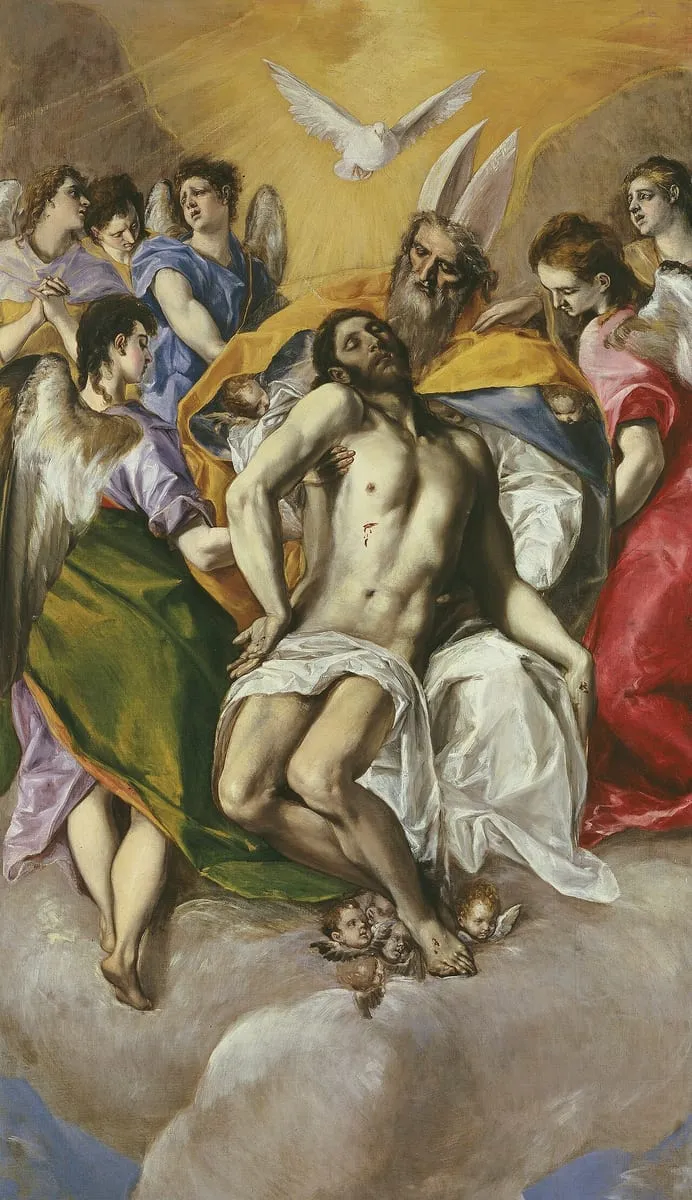
Many people think Christianity teaches only that the soul goes to heaven when we die. That is true but incomplete. The Creed says something far bolder: our bodies will rise. The Latin text says the resurrection of the flesh, meaning the very body that is weak and mortal now (CCC 990).
From the beginning this has been hard to believe. St Augustine observed that nothing in the Christian faith meets so much resistance as this teaching (CCC 996). Many in the ancient world thought the body was a prison to escape from. Christians said no: God made the body good, the Son of God took a body, and He rose in His body. Salvation is for the whole person.
What will happen? At death, the soul separates from the body. The body decays, while the soul goes to meet God and awaits its reunion with the body. At the end of time, God, by the power of Jesus' Resurrection, will give our bodies incorruptible life by uniting them again to our souls (CCC 997).
Who will rise? All the dead, the just and the unjust. As Jesus said, those who have done good to the resurrection of life, and those who have done evil to the resurrection of judgment (CCC 998). How? With our own bodies, but transformed, as Christ's was (CCC 999). St Paul says it is sown in corruption and rises in incorruption, sown in weakness and rises in power. Exactly how this happens is beyond our imagination; it is known by faith (CCC 1000). When? On the last day, at Christ's return (CCC 1001).
A common objection: what about bodies that have decayed, burned or scattered? The God who made everything from nothing is not limited by what happens to atoms. The same person will rise, body and soul, because God is faithful to what He has made.
This truth already shapes how we live. In Baptism we have in a sense already risen with Christ (CCC 1002-1003). The body is a temple of the Holy Spirit, so we treat our own and others' bodies with respect: in chastity, in care for the sick, and in reverent burial of the dead (CCC 1004, 2300). The Church permits cremation as long as it is not chosen to deny faith in the resurrection (CCC 2301).
Key points
- The Creed teaches the resurrection of the body, not just the survival of the soul.
- At the end of time, God will reunite our souls with our bodies, transformed and incorruptible.
- All will rise: the just to life, and those who did evil to judgment.
- Because our bodies will rise, we treat them and the bodies of the dead with respect now.
The Word of God
For I know that my Redeemer liveth, and in the last day I shall rise out of the earth. And I shall be clothed again with my skin, and in my flesh I will see my God.
So also is the resurrection of the dead. It is sown in corruption, it shall rise in incorruption. It is sown in dishonour, it shall rise in glory. It is sown in weakness, it shall rise in power.
Wonder not at this; for the hour cometh, wherein all that are in the graves shall hear the voice of the Son of God. And they that have done good things, shall come forth unto the resurrection of life; but they that have done evil, unto the resurrection of judgment.
Catechism paragraphs for this lesson
- CCC 988-991
- CCC 992-996
- CCC 997-1001
- CCC 1002-1004
- CCC 2300-2301
CCC means the Catechism of the Catholic Church. Saints Light teaches it in its own words and never quotes it. Look up any paragraph in a printed copy or at vatican.va. See every lesson by paragraph in the Catechism index.
From the tradition
Q. Will our bodies share in the reward or punishment of our souls? A. Our bodies will share in the reward or punishment of our souls, because through the resurrection they will again be united to them.
Live it this week
Visit a cemetery this week, or the grave or memorial of someone you love. Pray there for the dead, and say the last lines of the Creed aloud: I believe in the resurrection of the body, and life everlasting.
Check yourself: three questions
1. What does the resurrection of the body mean?
- Our souls will be reunited with our own bodies, transformed, at the end of time
- Only our souls will live forever, and bodies do not matter
- We will be reborn in new bodies on earth
- Only Jesus' body will rise, not ours
Show the answer
Our souls will be reunited with our own bodies, transformed, at the end of time. God will give our bodies incorruptible life by reuniting them with our souls (CCC 997, 999).
2. Who will rise from the dead?
- Only the saints
- Only baptized Christians
- All the dead, the just and the unjust
- Only those alive when Christ returns
Show the answer
All the dead, the just and the unjust. All the dead will rise: the good to the resurrection of life, the evil to the resurrection of judgment (CCC 998; John 5:28-29).
3. What does the Church teach about cremation?
- It is always forbidden
- It is permitted if not chosen to deny faith in the resurrection
- It prevents the person from rising
- It is required for Catholics
Show the answer
It is permitted if not chosen to deny faith in the resurrection. The Church permits cremation provided it does not express denial of faith in the resurrection of the body (CCC 2301).
Words to know
- Resurrection of the body
- The reuniting of each soul with its own body, glorified or judged, at the end of time.
- Glorified body
- The risen body, freed from decay and suffering, like Christ's risen body.
More terms in the Catholic glossary. More passages in the Scripture index.
For catechists: a one hour class plan
Goal. The group should understand that the Creed teaches the resurrection of the body, not only the survival of the soul, and take to heart that the body matters and deserves respect now.
Opener. Ask: "When you imagine heaven, do you picture yourself with a body or as a spirit floating around?" Many will say a spirit. Tell them the Creed says something more surprising.
Discussion questions
- Why does the Church insist on the resurrection of the body and not just the immortality of the soul? [We are body and soul; God saves the whole person. Job 19:25-26.]
- What will risen bodies be like, according to 1 Corinthians 15:42-43? [Transformed, incorruptible, glorious, yet really our own.]
- How should belief in the resurrection shape how we treat our bodies and the bodies of the dead? [Respect, care, burial or reverent treatment of ashes. If cremation comes up, the Church permits it with ashes kept reverently, not scattered.]
- How does this hope help when we grieve? [We will see our loved ones again, body and soul. Be gentle with the bereaved.]
Activity. If the parish has a cemetery or a memorial wall nearby, walk there together (12 minutes), pray for the dead, and say the last lines of the Creed aloud together. If not, read Job 19:23-27 aloud, and give each person time to write the name of someone they hope to see again in the resurrection.
Closing prayer. Lord Jesus, You rose from the dead in Your body, and You will raise us too. Thank You for the gift of our bodies; help us care for them and for others. We pray for all who have died. Grant them rest, and bring us all to the resurrection of life. Amen.
Timing. Opening prayer 5 min, opener 5 min, read the lesson together 15 min, discussion 18 min, activity (cemetery walk or reading) 12 min, closing 5 min.
Related lessons
- Will Our Bodies Really Rise? (The Last Things)
- How Do We Prepare for a Good Death? (The Last Things)
Keep your place in the app
The Apostles' Creed, Line by Line is free in the Saints Light app too, where you can mark each lesson done, take it as a guided class and keep notes.
Every course is open free for your first 14 days. After that, one payment of $14.99 unlocks every course. There is no subscription.