 Saints Light
The Sacraments: How Grace Reaches Us
The sacraments are seven signs Jesus gave us that truly pour His grace into our lives, from Baptism to the Eucharist. In them, Christ Himself is acting.
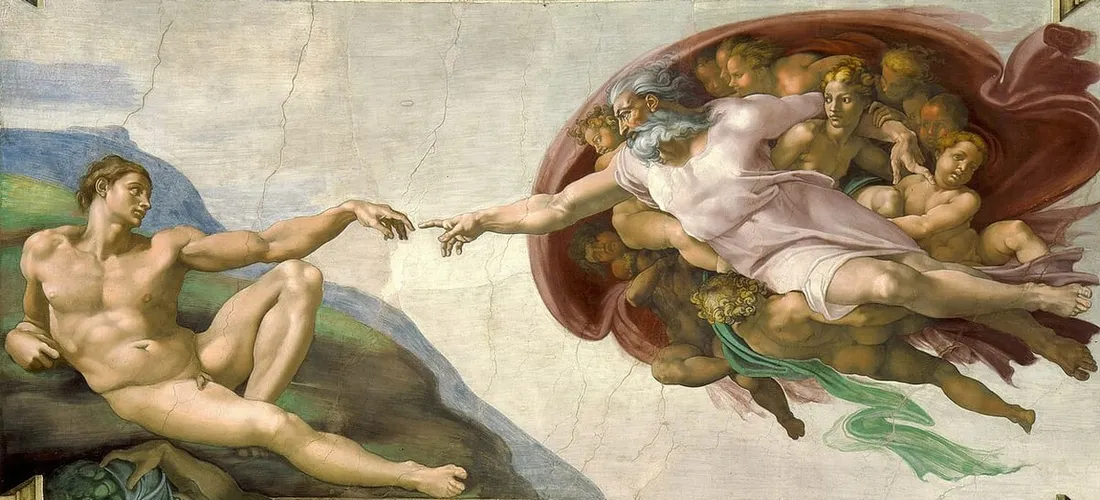
We are not pure spirits. We are body and soul, and we learn through what we can see, hear and touch. Jesus knew this. He healed with His hands, used mud and water, broke bread and breathed on His apostles. After His Ascension, He keeps acting in the same way through the sacraments (CCC 1084, 1116).
The old Baltimore Catechism defines a sacrament as an outward sign instituted by Christ to give grace. The Catechism of the Catholic Church says the same in fuller words: sacraments are effective signs of grace, instituted by Christ and entrusted to the Church, through which God's life is given to us (CCC 1131). They do not just point to grace. They give it.
There are seven (CCC 1113, 1210). Three are sacraments of initiation: Baptism, which washes away sin and makes us children of God; Confirmation, which strengthens us with the Holy Spirit; and the Eucharist, which feeds us with Christ Himself. Two are sacraments of healing: Penance (Confession) and the Anointing of the Sick. Two are at the service of communion: Holy Orders and Matrimony (CCC 1211).
Do the sacraments depend on how holy the priest is? No. They work because Christ Himself is acting in them. The Church says they act by the very fact that the rite is done (CCC 1127-1128). The fruit they bear in us does depend on our openness. A closed heart receives little; an open one receives much.
Jesus Himself said that unless a person is born again of water and the Holy Spirit, he cannot enter the kingdom of God. So the Church teaches that Baptism is necessary for salvation for those who have heard the Gospel and can ask for it, while also saying that God has bound salvation to the sacraments but He Himself is not bound by them (CCC 1257).
The Eucharist is the source and summit of the Christian life (CCC 1324). Catholics believe that in it Jesus is truly present, body, blood, soul and divinity, not as a symbol but in reality (CCC 1374). That is why the Church asks Catholics to take part in Mass every Sunday (CCC 2180-2181): not as a rule for its own sake, but because this is where Christ feeds His people.
Key points
- Sacraments are signs instituted by Christ that really give the grace they signify.
- There are seven: three of initiation, two of healing, and two at the service of communion.
- Sacraments work because Christ acts in them, though our openness shapes their fruit.
- The Eucharist, Christ truly present, is the source and summit of Christian life.
The Word of God
Jesus answered: Amen, amen I say to thee, unless a man be born again of water and the Holy Ghost, he cannot enter into the kingdom of God.
Then Jesus said to them: Amen, amen I say unto you: Except you eat the flesh of the Son of man, and drink his blood, you shall not have life in you. He that eateth my flesh, and drinketh my blood, hath everlasting life: and I will raise him up in the last day.
When he had said this, he breathed on them; and he said to them: Receive ye the Holy Ghost. Whose sins you shall forgive, they are forgiven them; and whose sins you shall retain, they are retained.
Catechism paragraphs for this lesson
- CCC 1113-1116
- CCC 1127-1131
- CCC 1210-1211
- CCC 1257
- CCC 1324
CCC means the Catechism of the Catholic Church. Saints Light teaches it in its own words and never quotes it. Look up any paragraph in a printed copy or at vatican.va. See every lesson by paragraph in the Catechism index.
From the tradition
Q. What is a Sacrament? A. A Sacrament is an outward sign instituted by Christ to give grace.
Live it this week
Find out which sacraments you have already received, and when (ask a family member if you need to). If you are Catholic, look up your parish's Confession times this week. If you are not yet Catholic, ask the parish office about OCIA, the process for becoming Catholic.
Check yourself: three questions
1. Which is the best definition of a sacrament?
- A beautiful reminder of something God did long ago
- An effective sign instituted by Christ that gives grace
- Any prayer said in a church building
- A tradition created by the Church in the Middle Ages
Show the answer
An effective sign instituted by Christ that gives grace. Sacraments are efficacious signs of grace instituted by Christ through which divine life is given (CCC 1131).
2. Does a sacrament fail if the priest celebrating it is a sinner?
- Yes, it only works if the priest is holy
- Yes, unless the bishop repeats it
- Only Baptism fails, the others still work
- No, Christ is the one acting in the sacrament
Show the answer
No, Christ is the one acting in the sacrament. The sacraments work by the very fact of the action being performed, because Christ acts in them (CCC 1127-1128).
3. Which group lists the sacraments of initiation?
- Baptism, Confirmation and the Eucharist
- Penance, Anointing and Holy Orders
- Matrimony, Holy Orders and Confirmation
- Baptism, Penance and Matrimony
Show the answer
Baptism, Confirmation and the Eucharist. The lesson lists Baptism, Confirmation and the Eucharist as the three sacraments of initiation (CCC 1211).
Words to know
- Sacrament
- An effective sign, instituted by Christ, that gives the grace it signifies.
- Real Presence
- The truth that Jesus is really present, body, blood, soul and divinity, in the Eucharist.
- OCIA
- The Order of Christian Initiation of Adults, the parish process for becoming Catholic.
More terms in the Catholic glossary. More passages in the Scripture index.
For catechists: a one hour class plan
Goal. The group should understand that the seven sacraments are signs Christ gave that truly give the grace they signify, and should take to heart that Christ Himself acts in them.
Opener. Ask: "Why do we hug, shake hands or give gifts instead of only saying I love you or welcome?" Let people answer. Then note that we are body and soul, and Jesus works through things we can see and touch.
Discussion questions
- What is the difference between a sign that only reminds us of something and a sacrament? [A sacrament really gives the grace it signifies, because Christ acts in it. Watch for "just a symbol".]
- Can you name the seven and sort them into initiation, healing and service of communion? [Baptism, Confirmation, Eucharist; Penance, Anointing; Holy Orders, Matrimony. Make it a friendly group effort, not a test.]
- If the sacraments work because Christ acts in them, why does our openness matter? [The grace is truly given, but bears fruit in a willing heart. A good balance: not magic, not merely our effort.]
- Which sacraments have you received, and which are you preparing for? [Invite sharing gently. Some may have complicated situations, such as marriages or missed sacraments; affirm them and suggest a private word with the priest.]
Activity. Hand out a simple chart with the seven sacraments listed. Each person, privately, marks which ones they have received and writes one question they have about any sacrament. Collect the questions anonymously (5 minutes), then read a few aloud and answer the simple ones together; set the harder ones aside for the priest or a later session.
Closing prayer. Lord Jesus, You healed with Your hands, You broke bread, and You breathed Your Spirit on Your friends. Thank You for still touching us through the sacraments. Open our hearts to receive Your grace, and lead each of us to the next step You have for us. Amen.
Timing. Opening prayer 5 min, opener 5 min, read the lesson together 15 min, discussion 20 min, activity 12 min, closing 3 min.
Related lessons
- What Is a Sacrament? (The Sacraments)
- What Happened at the Reformation? (Church History)
- What Is Baptism, and Why Does It Matter So Much? (Baptism, free)
- Why Does Baptism Matter So Much? (The Sacraments)
Keep your place in the app
Start Here: The Catholic Faith in Twelve Lessons is free in the Saints Light app too, where you can mark each lesson done, take it as a guided class and keep notes.
Every course is open free for your first 14 days. After that, one payment of $14.99 unlocks every course. There is no subscription.