 Saints Light
The Holy Spirit and Grace
The Holy Spirit is God living in us, and grace is His free gift of God's own life. We cannot earn it, but we can welcome it and cooperate with it.
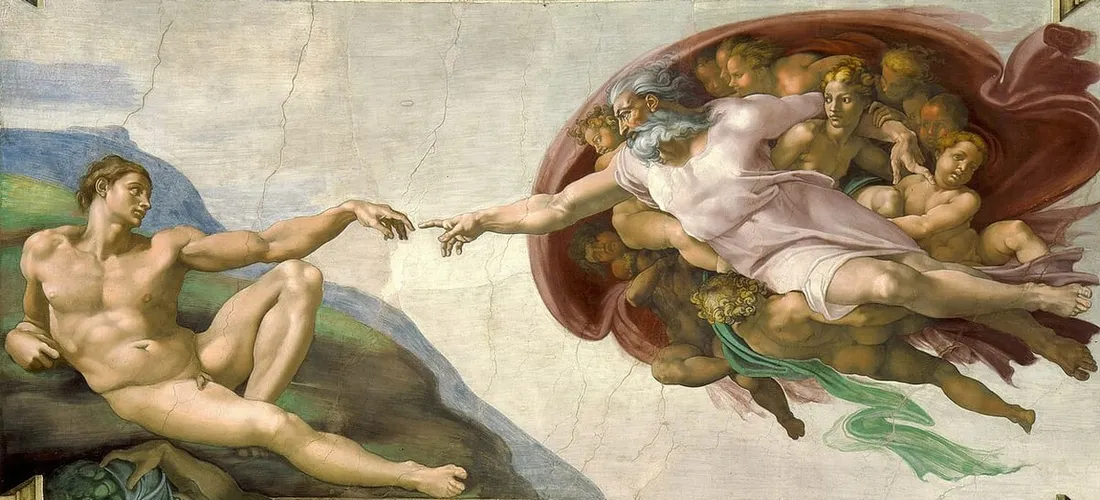
Before He died, Jesus promised His friends another Paraclete, a word that means someone called to your side: a helper, advocate and comforter. This is the Holy Spirit, the third Person of the Trinity, fully God with the Father and the Son (CCC 243, 685). Fifty days after Easter, at Pentecost, the Spirit came upon the apostles and turned frightened men into bold preachers.
The Spirit is not a vague force or a feeling. He is a Person who acts. He is the one who makes it possible for us even to say that Jesus is Lord (CCC 683). Everything Christ won for us on the cross, the Spirit brings into our lives.
The name for what the Spirit gives is grace. Grace is God's free, undeserved help, given so that we can answer His call to become His children (CCC 1996). More than help, it is a share in God's own life (CCC 1997). The Church distinguishes two kinds. Sanctifying grace is a lasting gift that makes the soul holy and pleasing to God, first given in Baptism. Actual grace is God's help in the moment, nudging us to see the good and choose it (CCC 2000).
Here is a question many people raise: do Catholics think they earn their way to heaven? No. No one can merit the first grace of forgiveness and justification; it is pure gift (CCC 2010). St Paul says we are saved by grace through faith, and not of ourselves. But grace does not turn us into puppets. God invites our free response, and the good we do with His grace truly matters, because He chooses to work through us (CCC 2008).
So the Christian life is a cooperation. God always moves first, and we answer. The Spirit also gives seven gifts that make us responsive to Him: wisdom, understanding, counsel, fortitude, knowledge, piety and fear of the Lord. Their fruits show up in ordinary life as charity, joy, peace, patience and more (CCC 1830-1832).
You do not need to wait for a dramatic experience. If you want to pray, if you feel sorry for a sin, if you want to know God better, that desire is already the Holy Spirit at work in you.
Key points
- The Holy Spirit is a divine Person, the Helper Jesus promised and sent at Pentecost.
- Grace is God's free gift, a real share in His own life.
- We cannot earn the first grace of salvation, but we freely cooperate with grace.
- The Spirit's gifts and fruits show up in ordinary daily life.
The Word of God
But the Paraclete, the Holy Ghost, whom the Father will send in my name, he will teach you all things, and bring all things to your mind, whatsoever I shall have said to you.
And hope confoundeth not: because the charity of God is poured forth in our hearts, by the Holy Ghost, who is given to us.
For by grace you are saved through faith, and that not of yourselves, for it is the gift of God; Not of works, that no man may glory.
Catechism paragraphs for this lesson
- CCC 683-686
- CCC 1996-2000
- CCC 2008-2011
- CCC 1830-1832
CCC means the Catechism of the Catholic Church. Saints Light teaches it in its own words and never quotes it. Look up any paragraph in a printed copy or at vatican.va. See every lesson by paragraph in the Catechism index.
From the tradition
Q. What do you mean by grace? A. By grace I mean a supernatural gift of God bestowed on us, through the merits of Jesus Christ, for our salvation.
Q. What is actual grace? A. Actual grace is that help of God which enlightens our mind and moves our will to shun evil and do good.
Live it this week
Before one hard conversation or task each day this week, pause and pray: Come, Holy Spirit. Afterward, notice whether you were a little more patient, honest or brave than usual.
Check yourself: three questions
1. What does Paraclete mean?
- A judge who condemns
- A kind of angel
- Someone called to your side to help
- A prophet of the Old Testament
Show the answer
Someone called to your side to help. The lesson explains that Paraclete means one called to your side: helper, advocate and comforter (CCC 692).
2. Can a person earn the first grace of forgiveness?
- Yes, by doing enough good works first
- Yes, if they are born into a Catholic family
- Only if they pray a certain number of times
- No, it is a pure gift that no one can merit
Show the answer
No, it is a pure gift that no one can merit. No one can merit the initial grace of forgiveness and justification (CCC 2010).
3. What is the difference between sanctifying and actual grace?
- Sanctifying grace is a lasting share in God's life; actual grace is His help in the moment
- Sanctifying grace is for priests; actual grace is for lay people
- They are two names for exactly the same thing
- Actual grace saves us; sanctifying grace is optional
Show the answer
Sanctifying grace is a lasting share in God's life; actual grace is His help in the moment. Sanctifying grace is a stable gift that makes the soul holy; actual graces are God's interventions to help us act (CCC 2000).
Words to know
- Grace
- God's free and undeserved gift of His help and His own life.
- Pentecost
- The day, fifty days after Easter, when the Holy Spirit came upon the apostles.
More terms in the Catholic glossary. More passages in the Scripture index.
For catechists: a one hour class plan
Goal. The group should understand that the Holy Spirit is a divine Person living in us and that grace is God's free gift of His own life, which we cannot earn but can welcome and cooperate with.
Opener. Ask: "Tell us about a time you were given help you did not expect and could not have repaid." After a few stories, point out that this is close to what the Church means by grace.
Discussion questions
- The lesson calls the Holy Spirit a Person, not a force or a feeling. Why does that matter for prayer? [You can speak to a Person, ask, listen and thank. Watch for the idea of the Spirit as "God's energy".]
- Catholics are often accused of trying to earn salvation. What does the lesson actually teach? [The first grace cannot be earned (Ephesians 2:8-9); we freely cooperate with it. If someone from another Christian background raises this, welcome the question warmly.]
- What does cooperating with grace look like on an ordinary Tuesday? [Patience, honesty, saying yes to a small good. Steer away from dramatic spiritual experiences as the only sign of the Spirit.]
- Where have you seen the fruits of the Spirit in someone you know? [Love, joy, peace, patience. Stories of real people make this concrete.]
Activity. Read Acts 2:1-13 aloud together. Then give each person a card and ask them to write one hard situation they face this week (a conversation, a task). In pairs (7 minutes), each says their situation and the partner prays a one line "Come, Holy Spirit" prayer for them. People who are shy can pray silently together.
Closing prayer. Come, Holy Spirit. Fill our hearts with Your love. Be our Helper in the hard moments of this week, and make us more patient, honest and brave than we can be on our own. Thank You for living in us. Amen.
Timing. Opening prayer 5 min, opener 5 min, read the lesson together 15 min, discussion 20 min, activity 12 min, closing 3 min.
Related lessons
- I believe in the Holy Spirit (The Creed, free)
- What Is Grace? (Grace and Virtue)
- Are Catholics Saved by Works? (Hard Questions)
- Faith and Works: What Does the Church Really Teach? (Grace and Virtue)
Keep your place in the app
Start Here: The Catholic Faith in Twelve Lessons is free in the Saints Light app too, where you can mark each lesson done, take it as a guided class and keep notes.
Every course is open free for your first 14 days. After that, one payment of $14.99 unlocks every course. There is no subscription.