 Saints Light
The End of the Story: Death, Judgment and Heaven
After death we meet Christ in judgment and go to heaven, to purification first, or to hell by our own choice. At the end, Christ returns and God makes everything new.
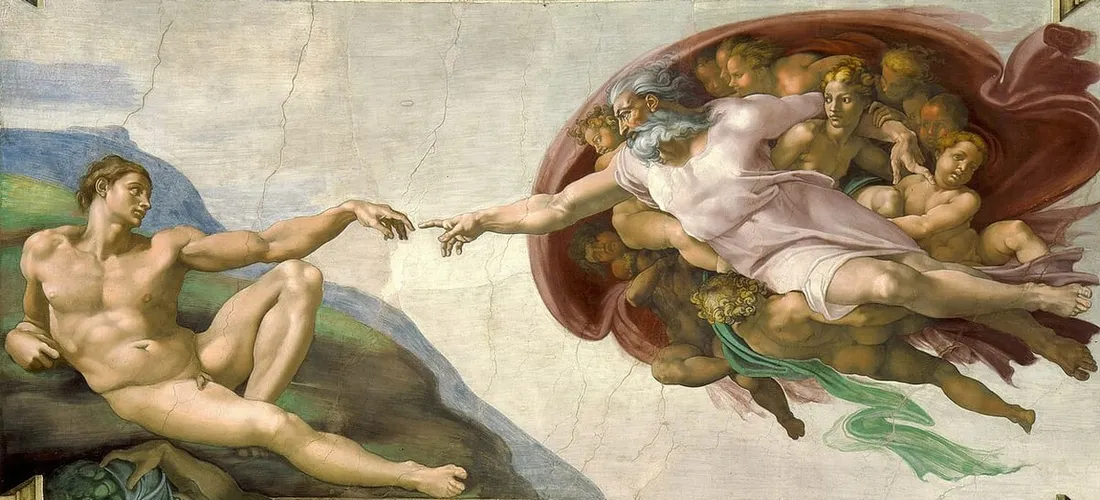
Every story has an ending, and the Christian story has a very good one. But it passes through something no one escapes: death. Scripture says it is appointed for us to die once, and after this the judgment. Death ends the time in which we can accept or reject God's grace (CCC 1021). That is why this life matters so much.
Right after death, each person meets Christ in what the Church calls the particular judgment. Our whole life is seen in His light, and our soul goes to heaven, to purification first, or to everlasting separation from God (CCC 1022).
Heaven is not clouds and harps. It is perfect life with the Holy Trinity, with Mary, the angels and all the saints, the fulfillment of every deepest human longing (CCC 1023-1024). We will see God as He is, face to face. St Paul says eye has not seen, nor ear heard, what God has prepared for those who love Him.
Those who die in God's friendship but not yet fully purified are certain of heaven, but first they undergo a cleansing the Church calls Purgatory (CCC 1030-1031). It is not a second chance; it is the finishing of God's work in a soul that already belongs to Him. This is why Christians have always prayed for the dead, a practice already found in Scripture (CCC 1032).
The Church also teaches, plainly, that hell exists and is eternal (CCC 1035). Hell is a state of definitive self-exclusion from God. God predestines no one to go there; it takes a free and deliberate turning away from Him in mortal sin, kept until the end (CCC 1033, 1037). The Church canonizes saints, but she has never declared that any particular person is in hell. The teaching is a call to take our freedom seriously, not a threat to hang over people (CCC 1036).
At the end of time, Christ will return in glory. The dead will rise, the Last Judgment will reveal the truth of every life, and God will make a new heaven and a new earth, where He will wipe away every tear (CCC 1038-1042). You now have the whole map, from creation to the new creation. The next course, The Apostles' Creed, Line by Line, walks through the same map more slowly, one article at a time.
Key points
- At death each person faces the particular judgment before Christ.
- Heaven is perfect communion with God, seeing Him face to face.
- Purgatory purifies those who die in God's friendship; hell is real, eternal self-exclusion.
- At the end, Christ returns, the dead rise, and God makes all things new.
The Word of God
And as it is appointed unto men once to die, and after this the judgment:
But, as it is written: That eye hath not seen, nor ear heard, neither hath it entered into the heart of man, what things God hath prepared for them that love him.
And God shall wipe away all tears from their eyes: and death shall be no more, nor mourning, nor crying, nor sorrow shall be any more, for the former things are passed away.
Catechism paragraphs for this lesson
- CCC 1021-1022
- CCC 1023-1029
- CCC 1030-1032
- CCC 1033-1037
- CCC 1038-1042
CCC means the Catechism of the Catholic Church. Saints Light teaches it in its own words and never quotes it. Look up any paragraph in a printed copy or at vatican.va. See every lesson by paragraph in the Catechism index.
From the tradition
Q. What is Heaven? A. Heaven is the state of everlasting life in which we see God face to face, are made like unto Him in glory, and enjoy eternal happiness.
Q. When will Christ judge us? A. Christ will judge us immediately after our death, and on the last day.
Live it this week
Two steps this week. First, open the next course, The Apostles' Creed, Line by Line, and read its first lesson. Second, find your nearest Catholic parish, go to Sunday Mass, and afterward introduce yourself to the priest or the parish office. If you are not yet Catholic, ask about OCIA; if you are coming back, ask when Confession is offered.
Check yourself: three questions
1. What is the particular judgment?
- A trial that happens only at the end of the world
- Christ's judgment of each soul right after death
- The Church's judgment of a person's reputation
- A judgment that applies only to very sinful people
Show the answer
Christ's judgment of each soul right after death. Each person receives eternal retribution in the soul at death in a particular judgment (CCC 1022).
2. Which description of Purgatory matches Church teaching?
- A second chance for people who rejected God
- A permanent place halfway between heaven and hell
- A final purification for those who die in God's friendship
- Another name for hell that lasts a short time
Show the answer
A final purification for those who die in God's friendship. Purgatory is the final purification of those who die in God's grace but imperfectly purified, and they are assured of heaven (CCC 1030-1031).
3. According to the Church, why does anyone end up in hell?
- God predestines some people to go there
- Because they were not born Catholic
- Because they had doubts about the faith
- By freely turning away from God in mortal sin until the end
Show the answer
By freely turning away from God in mortal sin until the end. God predestines no one to hell; it requires a willful turning away from God persisting until the end (CCC 1037).
Words to know
- Particular judgment
- Christ's judgment of each soul immediately after death.
- Purgatory
- The final purification of those who die in God's friendship but are not yet fully purified.
- Last Judgment
- The judgment of all people at the end of time, when Christ returns in glory.
More terms in the Catholic glossary. More passages in the Scripture index.
For catechists: a one hour class plan
Goal. The group should understand what the Church teaches about death, judgment, Purgatory, heaven and hell, take to heart that this life matters, and leave with a concrete next step in the faith.
Opener. Ask: "If you knew you had one year left, what would you do differently?" Let a few people answer. Be aware that some may be grieving a recent death; acknowledge that gently before you begin.
Discussion questions
- What does the lesson say happens at the moment of death? [Each person meets Christ in the particular judgment. Present this with hope: the judge is the Savior.]
- How would you explain Purgatory to a friend who has never heard of it? [A purification for those who die in God's friendship, a mercy, not a second chance or a small hell. Keep it hopeful.]
- Why does the Church insist hell is real, and what does self-exclusion mean? [God forces no one; hell is a final refusal of love. Do not speculate about who is in hell; the Church never says any particular person is.]
- Now that you have finished this course, what is your next step? [OCIA, Confession, Sunday Mass, the next course. Make sure every person names one before leaving.]
Activity. Read Revelation 21:1-5 aloud together. Then hand out a small card titled "My next step". Each person writes one concrete step from the lesson's Live It (the next course, Sunday Mass, a talk with the priest, asking about OCIA or Confession) and a date. In pairs, share the card and agree to check in. Have parish contact details and Mass times ready to hand out.
Closing prayer. Lord Jesus, You have prepared a place for us that eye has not seen. Thank You for walking with us through these twelve lessons. We pray for all who have died, especially those we love. Keep us close to You, give us courage for our next step, and bring us all home to You one day. Amen.
Timing. Opening prayer 5 min, opener 5 min, read the lesson together 15 min, discussion 18 min, activity (next step cards) 12 min, closing 5 min.
Related lessons
- and life everlasting. Amen. (The Creed, free)
- What Is Heaven Really Like? (The Last Things)
- Why Does the Church Still Teach Hell? (The Last Things)
- from there He will come to judge the living and the dead (The Creed, free)
Keep your place in the app
Start Here: The Catholic Faith in Twelve Lessons is free in the Saints Light app too, where you can mark each lesson done, take it as a guided class and keep notes.
Every course is open free for your first 14 days. After that, one payment of $14.99 unlocks every course. There is no subscription.