 Saints Light
How God Speaks: Scripture, Tradition and the Church
God speaks to us through Scripture and Tradition, which come from the apostles, and the Church's teaching office explains them faithfully. All three work together, like the legs of one stool.
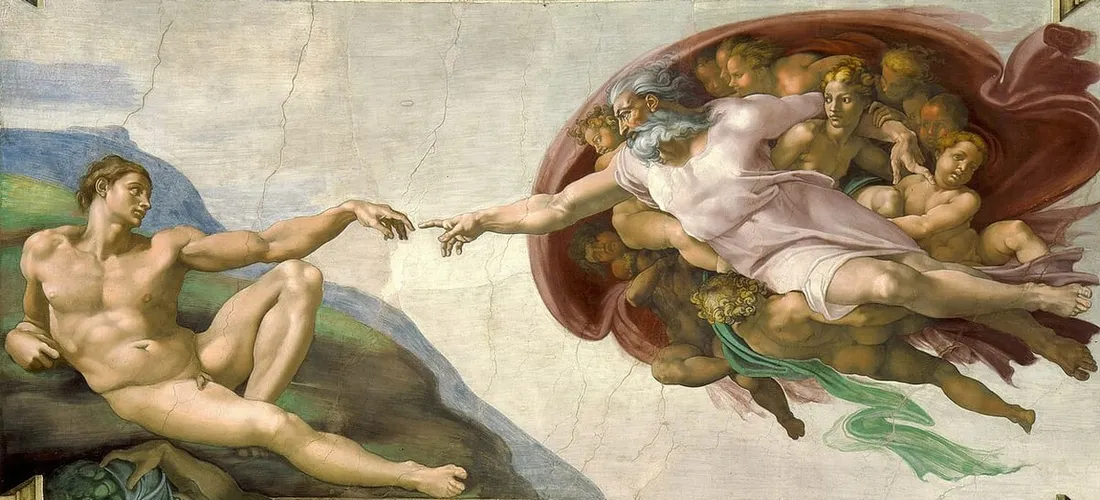
If God made us to know Him, He has to let Himself be known. Human reason can reach the fact that God exists by looking at the world He made, but it cannot reach His inner life or His plan for us. So God chose to reveal Himself, step by step, in deeds and words: to Abraham, to Moses, through the prophets, and finally and fully in His Son, Jesus Christ (CCC 50-53, 65). This is called Revelation.
Jesus did not write a book. He formed apostles and sent them out to preach. They handed on what they had received in two ways: by their spoken preaching, example and the way they set up the Church's life, and in writing, under the inspiration of the Holy Spirit (CCC 76). The living handing on is called Tradition. The written part is Sacred Scripture. Both flow from the same divine source and belong together (CCC 80).
St Paul says it outright: hold the traditions you were taught, whether by word or by letter. The Bible itself never claims to be the only source of faith. In fact, the Church used apostolic Tradition to discern which books belong in the Bible in the first place (CCC 120). Without the Church, there would be no agreed list of New Testament books.
Then who decides what Scripture and Tradition mean? Christ entrusted that task to the apostles and their successors, the bishops in communion with the Pope. Their teaching office is called the Magisterium (CCC 85). It is not above God's word. It is its servant, teaching only what has been handed on, listening to it, guarding it and explaining it faithfully (CCC 86).
Think of a three legged stool. Scripture, Tradition and the Magisterium work together; remove one and the whole thing tips over. This is why Catholics read the Bible within the Church, not against it.
Two clarifications. Tradition with a capital T is not the same as customs, such as fish on Fridays or a parish's favorite hymns, which can change (CCC 83). And there is no new public revelation to wait for after Christ (CCC 66). Private revelations, even approved ones, help some people live the faith but are not part of it, and no one is required to believe them (CCC 67).
Key points
- God reveals Himself in deeds and words, fully and finally in Jesus Christ.
- The apostles handed on the faith in writing (Scripture) and by living preaching (Tradition).
- The Magisterium, the Pope and bishops, interprets God's word as its servant, not its master.
- Approved private revelations can help, but no Catholic is required to believe them.
The Word of God
God, who, at sundry times and in divers manners, spoke in times past to the fathers by the prophets, last of all, In these days hath spoken to us by his Son, whom he hath appointed heir of all things, by whom also he made the world.
Therefore, brethren, stand fast; and hold the traditions which you have learned, whether by word, or by our epistle.
All scripture, inspired of God, is profitable to teach, to reprove, to correct, to instruct in justice, That the man of God may be perfect, furnished to every good work.
Catechism paragraphs for this lesson
- CCC 50-53
- CCC 65-67
- CCC 74-83
- CCC 85-87
- CCC 120
CCC means the Catechism of the Catholic Church. Saints Light teaches it in its own words and never quotes it. Look up any paragraph in a printed copy or at vatican.va. See every lesson by paragraph in the Catechism index.
From the tradition
Q. How shall we know the things which we are to believe? A. We shall know the things which we are to believe from the Catholic Church, through which God speaks to us.
Live it this week
Read the Gospel of Mark this week, one chapter a day for at least five days (it has sixteen short chapters). Before each chapter, pray: Lord, speak, for Your servant is listening.
Check yourself: three questions
1. What is Sacred Tradition?
- Any custom a parish has kept for a long time
- Stories added to the Bible during the Middle Ages
- The living handing on of the apostles' preaching and practice
- The personal opinions of popular priests and teachers
Show the answer
The living handing on of the apostles' preaching and practice. Tradition is the apostles' living transmission of what they received from Christ, distinct from changeable customs (CCC 76, 83).
2. How does the Church describe the Magisterium's relation to God's word?
- It stands above Scripture and can change it
- It is the servant of God's word and teaches what was handed on
- It replaced Scripture once the Church was established
- It is one opinion among many equally valid ones
Show the answer
It is the servant of God's word and teaches what was handed on. The lesson explains that the Magisterium is not above the word of God but serves it (CCC 86).
3. Who discerned which books belong in the Bible?
- Each Christian decides for himself by private reading
- The books listed themselves in their opening lines
- A single scholar many centuries after the apostles
- The Church, guided by apostolic Tradition
Show the answer
The Church, guided by apostolic Tradition. The Church used apostolic Tradition to recognize the canon of Scripture (CCC 120).
Words to know
- Revelation
- God making Himself and His plan known to us, completed in Jesus Christ.
- Tradition
- The living handing on of the faith from the apostles, together with Scripture.
- Magisterium
- The teaching office of the Pope and the bishops in communion with him.
More terms in the Catholic glossary. More passages in the Scripture index.
For catechists: a one hour class plan
Goal. The group should understand that God reveals Himself through Scripture and Tradition, faithfully explained by the Church's teaching office, and should feel invited to start listening to God in the Bible.
Opener. Ask: "How do you get to know someone you have never met in person, like a grandparent who died before you were born?" Draw out letters, family stories and people who knew them. Then point out that this is close to how God's Word reaches us: written words and a living memory handed down.
Discussion questions
- Why could reason alone not tell us about God's inner life or His plan for us? [Reason can reach that God exists; only God can tell us who He is inside. Compare: you can tell someone exists, but only they can tell you their heart.]
- What is the difference between Scripture and Tradition, and why do Catholics need both? [Both come from the apostles: one written, one handed on by living preaching (2 Thessalonians 2:14). Avoid making Tradition sound like "customs" or "extra rules".]
- The lesson calls the Magisterium the servant of God's word, not its master. What does that mean in practice? [The Pope and bishops cannot invent new teaching; they guard and explain what was handed down. If someone raises a hard case or a scandal, acknowledge it honestly and offer to bring the question to the priest.]
- What do you make of private revelations like approved apparitions? [Catholics may find them helpful, but no one is required to believe them. Do not let this become a debate about specific apparitions.]
Activity. Read Mark 1:1-20 aloud together, a few verses per person, from any Bible the group has (the leader can note that the app quotes the Douay-Rheims). Then give 3 minutes of silence and ask: "Which word or phrase caught your attention?" Go around the room and let each person say only their word or phrase, without explanation.
Closing prayer. Father, thank You for speaking to us, through the prophets, through the apostles, and above all through Your Son Jesus. Give us ears to hear and hearts that want to listen. Speak, Lord, for Your servants are listening. Amen.
Timing. Opening prayer 5 min, opener 5 min, read the lesson together 15 min, discussion 18 min, activity 12 min, closing 5 min.
Related lessons
- Why Do I Need a Church? Can't I Just Read the Bible? (Hard Questions)
- Scripture, Tradition and the Magisterium (The Bible)
- Guadalupe, Lourdes and Fatima: What Approval Means (Mary and the Saints)
- What Is the Bible, Really? (The Bible)
Keep your place in the app
Start Here: The Catholic Faith in Twelve Lessons is free in the Saints Light app too, where you can mark each lesson done, take it as a guided class and keep notes.
Every course is open free for your first 14 days. After that, one payment of $14.99 unlocks every course. There is no subscription.