 Saints Light
What Happens at the Rite of Acceptance and the Rite of Election?
At the Rite of Acceptance you are signed with the Cross and become a catechumen; at the Rite of Election the Church declares that God has chosen you for the sacraments at Easter.
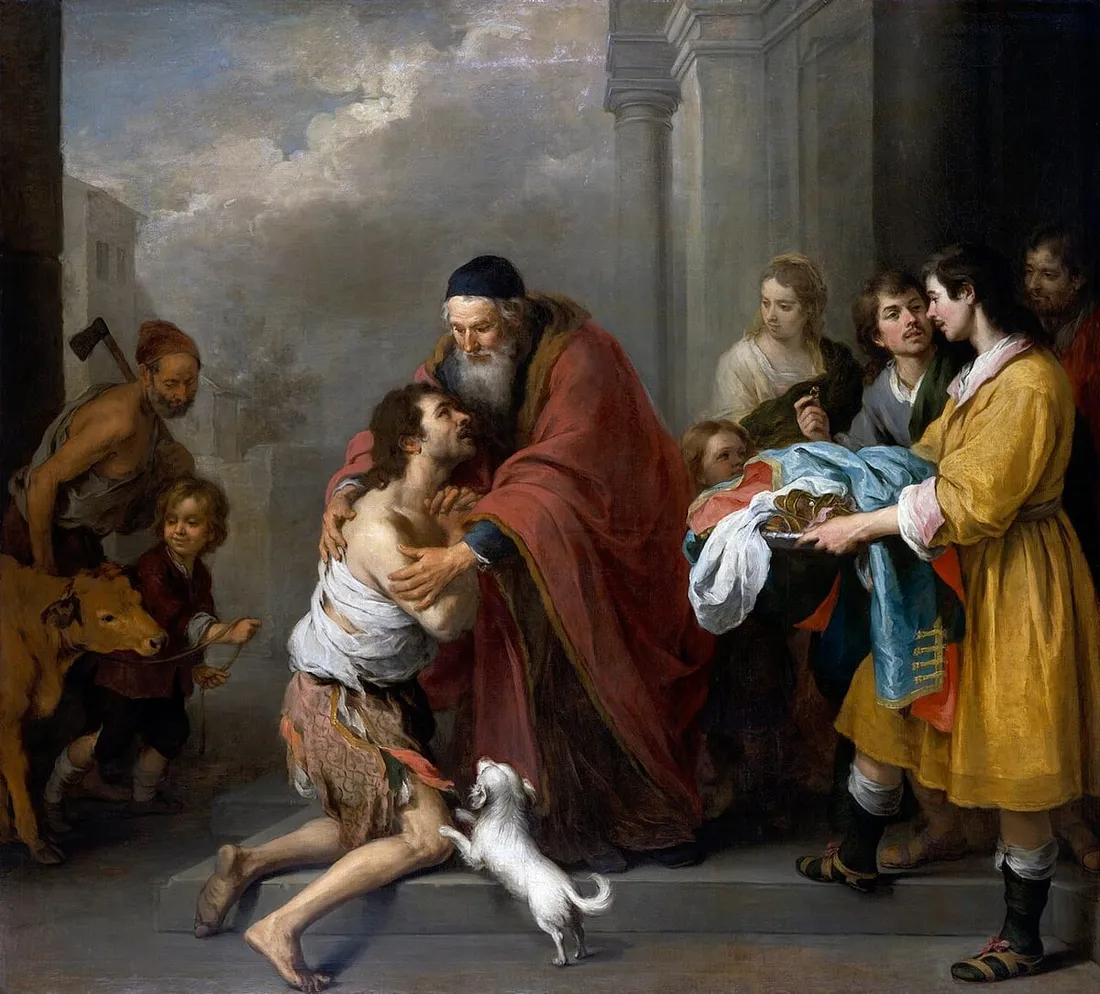
Two public rites mark big turning points on the road to Easter. Both can feel nerve-racking beforehand, and both are usually remembered as beautiful.
The Rite of Acceptance into the Order of Catechumens ends the inquiry period. It usually takes place at a Sunday Mass in your parish. You gather at the door of the church, a sign that you are standing at the threshold. The priest asks your name and what you seek, and you answer in a word or two, such as "faith" or "eternal life." Then your sponsor traces the Sign of the Cross on your forehead, and often on your ears, eyes, lips, heart, shoulders, hands and feet. Christ is claiming every part of you.
From that day you are a catechumen. Many parishes then dismiss catechumens after the homily, before the Liturgy of the Eucharist, to reflect on the readings together. It is not an exclusion. You are being fed with the Word while you wait for the sacrament. Baptized candidates have a parallel Rite of Welcoming, which honors that they are already Christians.
The Rite of Election usually happens on the First Sunday of Lent, often at the cathedral with the bishop. Your godparent testifies that you are ready, and the bishop, in the name of the Church, declares that you are chosen for the sacraments at Easter. Your name is written in the Book of the Elect (in many dioceses you sign it at your parish beforehand). You are now called "the elect."
Why that word? Because the initiative is God's. You have been searching, but He was calling you first. The Church's role is to recognize that call. Baptized candidates take part in the same celebration in a Call to Continuing Conversion.
Practical tips: dress as you would for Sunday Mass, arrive early, and bring your sponsor. You do not need to memorize anything; someone will guide every step. Invite family if you like. Seeing a cathedral full of people on the same road is often the moment people realize how big the Church really is.
Key points
- The Rite of Acceptance makes an inquirer a catechumen, marked with the Sign of the Cross.
- The Rite of Election, usually on the First Sunday of Lent, declares you chosen for the Easter sacraments.
- Your name is written in the Book of the Elect, and you become one of the elect.
- Baptized candidates have parallel rites that honor their existing Baptism.
The Word of God
And now thus saith the Lord that created thee, O Jacob, and formed thee, O Israel: Fear not, for I have redeemed thee, and called thee by thy name: thou art mine.
You have not chosen me: but I have chosen you; and have appointed you, that you should go, and should bring forth fruit; and your fruit should remain: that whatsoever you shall ask of the Father in my name, he may give it you.
Catechism paragraphs for this lesson
- CCC 1248-1249
- CCC 1232
CCC means the Catechism of the Catholic Church. Saints Light teaches it in its own words and never quotes it. Look up any paragraph in a printed copy or at vatican.va. See every lesson by paragraph in the Catechism index.
Live it this week
Before your next rite, pray Isaiah 43:1 slowly each morning and put your own name in place of Jacob and Israel.
Check yourself: three questions
1. When does the Rite of Election usually take place?
- On the First Sunday of Lent
- On the first day of inquiry classes
- At the Easter Vigil itself
- On Pentecost Sunday
Show the answer
On the First Sunday of Lent. The Rite of Election opens the period of purification and enlightenment, which lines up with Lent.
2. Why are catechumens often dismissed after the homily?
- Because they are not welcome at the Eucharist
- Because the rest of Mass is secret
- To reflect on the Word together while they prepare for the sacraments
- Because they have not yet paid their parish dues
Show the answer
To reflect on the Word together while they prepare for the sacraments. The dismissal is for formation, not exclusion. Catechumens are fed by the Word as they wait for the Eucharist.
3. What does the title "the elect" express?
- That the person has earned the sacraments by hard study
- That the person is now holier than other Christians
- That the parish has voted to accept them
- That God has chosen and called them, and the Church recognizes it
Show the answer
That God has chosen and called them, and the Church recognizes it. Election means chosen. The initiative is God's, as Jesus says in John 15:16, and the Church confirms that call.
Words to know
- The elect
- Catechumens who have been chosen at the Rite of Election to receive the sacraments at Easter.
- Book of the Elect
- The book in which the names of those chosen for Easter Baptism are written.
More terms in the Catholic glossary. More passages in the Scripture index.
For catechists: a one hour class plan
Goal. The group should understand what happens at the Rite of Acceptance and the Rite of Election and why they matter, and take to heart that God calls each of them by name.
Opener. Ask: "What do you know about the meaning of your own name, or why it was chosen for you?" Let a few people share. Then explain that both rites in this lesson are about being called by name.
Discussion questions
- At the Rite of Acceptance you are signed with the cross on your forehead, ears, eyes, lips and more. What do you think it means to be marked by the cross? [Belonging to Christ in every part of life. Name the nerves people feel and reassure them.]
- At the Rite of Election, the Church declares you chosen. How does it feel to hear that God chose you? [John 15:16. Some may feel unworthy; that is a normal and good starting point.]
- How are the rites different for baptized candidates? [Parallel rites honor their existing Baptism. Make sure candidates do not feel left out.]
- What practical questions do you have about the rite: where to stand, what to say, what to wear? [Answer what you can; promise a walkthrough with the parish team before the day.]
Activity. Read Isaiah 43:1-5 aloud together. Then each person rereads verse 1 silently, putting their own name in place of Jacob and Israel, and writes it on a card (5 minutes). If possible, walk to the church and show where the rite will happen and where people will stand (7 minutes).
Closing prayer. Lord God, You call each of us by name, and we belong to You. As we prepare for these rites, quiet our nerves and open our hearts. Mark us with the sign of Your Son's cross, and help us follow Him with joy. Amen.
Timing. Opening prayer 5 min, opener 5 min, read the lesson together 15 min, discussion 18 min, activity (with walkthrough) 12 min, closing 5 min.
Keep your place in the app
Becoming Catholic: Your OCIA Companion is free in the Saints Light app too, where you can mark each lesson done, take it as a guided class and keep notes.
Every course is open free for your first 14 days. After that, one payment of $14.99 unlocks every course. There is no subscription.