 Saints Light
Emergency Baptism, and What About Babies Who Die Without Baptism?
In an emergency anyone can baptize by pouring water on the head while saying the Trinitarian words. Babies who die without Baptism are entrusted to God's mercy, and the Church hopes for their salvation.
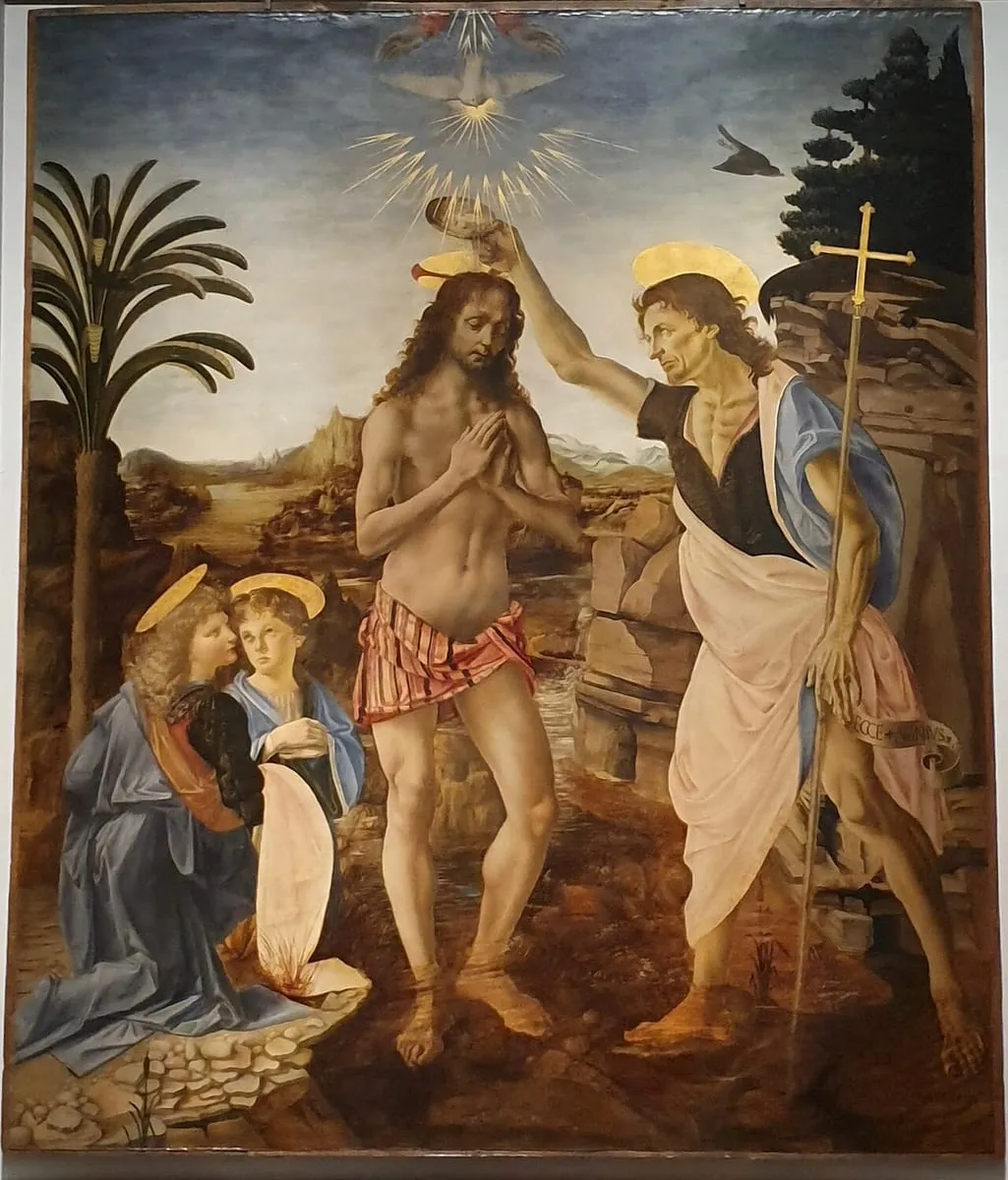
Normally a bishop, priest or deacon baptizes. But because Baptism matters so much, the Church allows anyone to baptize in a case of necessity, even a person who is not baptized, as long as he or she intends to do what the Church does (CCC 1256; canon 861 §2). Every Catholic, and especially every parent, nurse, doctor and midwife, should know how.
When? When an unbaptized person, child or adult, is in danger of death and no priest or deacon can come in time. An infant in danger of death is to be baptized without delay (canon 867 §2). A dying adult may be baptized if he or she has shown in any way the wish to receive it (canon 865 §2). Never baptize an adult against his or her will.
How? Use ordinary clean water. Pour it on the head, so that it flows on the skin and not only the hair, ideally three times. While pouring, say: N., I baptize you in the name of the Father, and of the Son, and of the Holy Spirit. The same person must pour and say the words. Say I, not we, and do not change the words. If you do not know the person's name, simply leave it out.
Afterward. If possible, have someone else present as a witness (canon 875), and tell the parish so the Baptism can be recorded (canon 878). If the child recovers, do not baptize again: the family brings the child to church, where the other rites, such as the anointing, the white garment and the candle, are celebrated.
What about babies who die without Baptism? This question often comes with real grief: a miscarriage, a stillbirth, a baby who died before anyone could act. The Church answers carefully and tenderly. She can only entrust these children to the mercy of God, as she does in her funeral rites for them. And she gives two reasons for hope: God wants all people to be saved, and Jesus said to let the little children come to him. These allow us to hope that God has a way of salvation for them (CCC 1261, 1283).
You may have heard of limbo, a state of natural happiness without the vision of God. Limbo was a theological opinion held by many, but it was never defined as Church teaching. In 2007 the International Theological Commission, with Pope Benedict XVI's approval to publish, concluded there are serious grounds to hope such children are saved. The Church has not declared their fate. She hopes, and she prays.
If you have lost a baby, hear this clearly: your child is not forgotten, and you can entrust your child to God with real hope. Give your child a name, pray, and ask your parish about a funeral or blessing; the Church has rites for this. And for living children, the Church urges parents not to delay Baptism, because the gift is so great (CCC 1261).
Key points
- In danger of death anyone may baptize, if they intend to do what the Church does.
- Pour water on the head while saying: I baptize you in the name of the Father, and of the Son, and of the Holy Spirit.
- Tell the parish afterward; if the person recovers, the other rites are celebrated, but Baptism is not repeated.
- The Church entrusts babies who die without Baptism to God's mercy and teaches that we may hope for their salvation.
The Word of God
Whom when Jesus saw, he was much displeased, and saith to them: Suffer the little children to come unto me, and forbid them not; for of such is the kingdom of God.
Who will have all men to be saved, and to come to the knowledge of the truth.
Catechism paragraphs for this lesson
- CCC 1256
- CCC 1261
- CCC 1283-1284
CCC means the Catechism of the Catholic Church. Saints Light teaches it in its own words and never quotes it. Look up any paragraph in a printed copy or at vatican.va. See every lesson by paragraph in the Catechism index.
From the tradition
Q. Who can administer Baptism? A. The priest is the ordinary minister of Baptism; but in case of necessity any one who has the use of reason may baptize.
Q. How is Baptism given? A. Whoever baptizes should pour water on the head of the person to be baptized, and say, while pouring the water: I baptize thee in the name of the Father, and of the Son, and of the Holy Ghost.
Live it this week
Write the words of emergency Baptism on a card and keep it in your wallet or phone case. Practice saying them aloud once. If you have lost a child before Baptism, consider telling your priest, and ask about a Mass or blessing for your child.
Check yourself: three questions
1. A newborn is dying in a hospital and no priest can arrive in time. The nurse is not Catholic. Can she baptize the baby?
- No, only a Catholic may ever baptize
- No, only a priest or deacon may baptize
- Yes, if she intends to do what the Church does and uses water with the Trinitarian words
- Yes, but only if the bishop gives permission first
Show the answer
Yes, if she intends to do what the Church does and uses water with the Trinitarian words. In necessity anyone, even an unbaptized person, can baptize with the right intention, water and the Trinitarian words (CCC 1256; canon 861 §2).
2. Which emergency Baptism would NOT be valid?
- Pouring tap water on the forehead while saying, I baptize you in the name of the Father, and of the Son, and of the Holy Spirit
- A mother pouring water on her baby's head three times while saying the Trinitarian words
- Leaving out the baby's name because the parents had not chosen one yet
- Touching the baby with a dry hand while saying, We baptize you in the name of God
Show the answer
Touching the baby with a dry hand while saying, We baptize you in the name of God. Baptism needs water that flows on the person and the correct Trinitarian words said by the one baptizing. The name may be left out, but water, I and the three Persons may not.
3. What does the Church teach about babies who die without Baptism?
- She entrusts them to God's mercy and hopes there is a way of salvation for them
- She has defined as dogma that they go to limbo
- She teaches that they are certainly lost
- She teaches that Baptism never mattered for infants at all
Show the answer
She entrusts them to God's mercy and hopes there is a way of salvation for them. CCC 1261 entrusts these children to God's mercy and grounds our hope in God's will to save all and Jesus' love for children. Limbo was never defined as dogma.
Words to know
- Emergency baptism
- Baptism given by anyone, using water and the Trinitarian words, when a person is in danger of death and no priest or deacon is available.
- Limbo
- A theological opinion, never defined by the Church, that unbaptized infants enjoy natural happiness without the vision of God.
More terms in the Catholic glossary. More passages in the Scripture index.
For catechists: a one hour class plan
Goal. Equip every person to baptize correctly in an emergency, and speak with tenderness and accuracy to anyone grieving a child who died before Baptism.
Opener. Ask gently: Has anyone here ever been present at a birth, a hospital emergency or a death where faith suddenly mattered? Let only those who wish share. Then explain that tonight we learn something every Catholic should know, and we will also speak about a tender question many families carry.
Discussion questions
- Why do you think the Church allows anyone at all to baptize in an emergency? [Because of God's will to save all and the necessity of Baptism (CCC 1256).]
- What mistakes might a nervous person make in an emergency, and how can we avoid them? [Changing the words, saying we instead of I, not letting water touch the skin, one person pouring and another speaking.]
- How would you comfort a friend who lost a baby before Baptism, using what the Church actually teaches? [Stress God's mercy and hope (CCC 1261). Avoid promising more than the Church says, and avoid any blame.]
- Why does the Church's hope for unbaptized babies not mean we should delay Baptism for living children? [The gift is certain and great; the Church urges not to delay (CCC 1261, canon 867).]
Activity. Give each person a wallet card printed with the words of emergency Baptism. In pairs, using a small bowl of water and a doll, have each person practice once: pour water on the head three times while saying the full words, then tell their partner what they would do next (find a witness, tell the parish). Close with two minutes of silence, inviting anyone who has lost a child to name that child in their heart before God.
Closing prayer. Lord Jesus, you said, Let the little children come to me. We entrust to your mercy every child who has died before Baptism, and we hold close every parent who grieves. Give us courage and calm if we are ever called to baptize, and keep us all in your love. Amen.
Timing. 0 to 5 minutes: welcome and gentle opener. 5 to 20: teach emergency Baptism step by step. 20 to 35: hands-on practice in pairs. 35 to 50: teaching and discussion on babies who die without Baptism. 50 to 55: silence and naming. 55 to 60: closing prayer.
Related lessons
- Why Does Baptism Matter So Much? (The Sacraments)
Keep your place in the app
Preparing for Baptism is free in the Saints Light app too, where you can mark each lesson done, take it as a guided class and keep notes.
Every course is open free for your first 14 days. After that, one payment of $14.99 unlocks every course. There is no subscription.